%201.png)

This month, Boots, one of the UK's largest pharmacy chains, temporarily paused home delivery of GLP-1 weight loss injections, citing concerns that the medication cannot reliably be kept at the required temperature once it hits above 30°C (86°F) outside . The concern driving this pause was straightforward: that the packaging itself couldn't hold up to those temperatures long enough to keep the medication within its required range.
How did they come to this conclusion? Testing from the chain's online doctor service found that gel-pack cold storage wasn't reliably holding products below the required 8°C threshold once outside temperatures climbed . Eight dispatch packages were tested in late June. All eight came back above spec on arrival. It was a controlled test, run by the pharmacy itself, checking whether its own standard packaging could hold spec under real summer heat, and unfortunately, it couldn't.
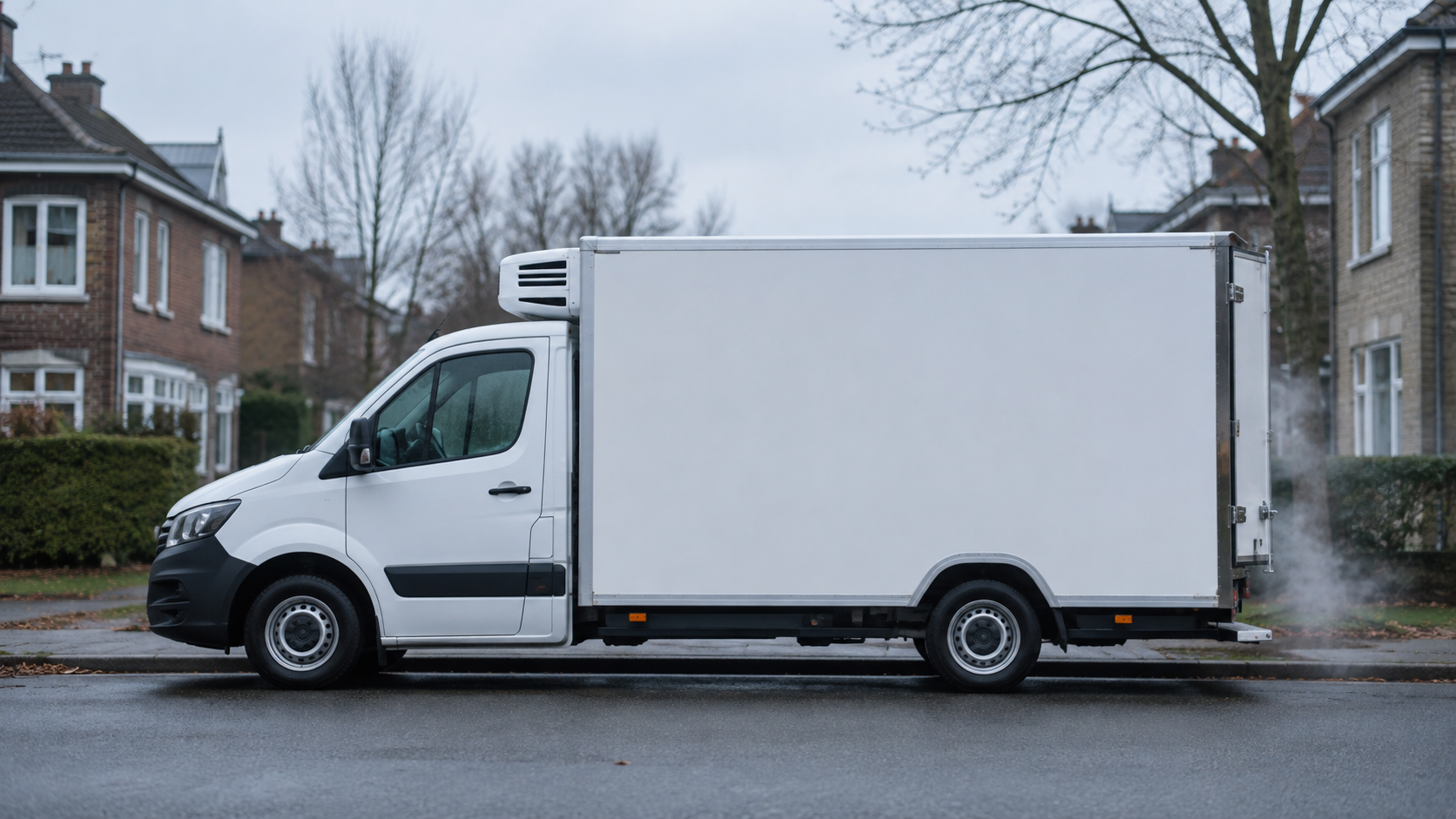
As a result, Boots paused home delivery and routed patients back to in-store pickup while new packaging, rated for temperatures up to 35°C, gets built out over the coming weeks.
None of this reflects poorly on Boots or on UK regulatory standards. Running that test at all, and acting on an uncomfortable result, is what a mature cold chain program looks like. The real lesson here concerns what extreme weather does to packaging that was only ever proven to work under average conditions, and how few systems ever get tested against the extreme before the extreme actually shows up.
If we’re thinking proactively, these questions should be asked year round and not just during record-hot summers. A cold chain system that fails at 30°C in a UK heatwave has a mirror-image problem in a winter storm. Heat and cold work through different mechanisms but raise the same underlying question. Does the packaging hold spec when conditions stop being average? Most cold chain programs find out the answer during the event that exposes it.
Let's think through the fallback within diverse systems.
A pharmacy chain with a dense retail footprint can ask patients to come collect a prescription and have that land as a minor inconvenience. That fallback depends on infrastructure, unfortunately and realistically, not every system has this privilege. Here in the US, more than 15 million people live in what researchers classify as pharmacy deserts, areas where the nearest pharmacy is a genuine drive.
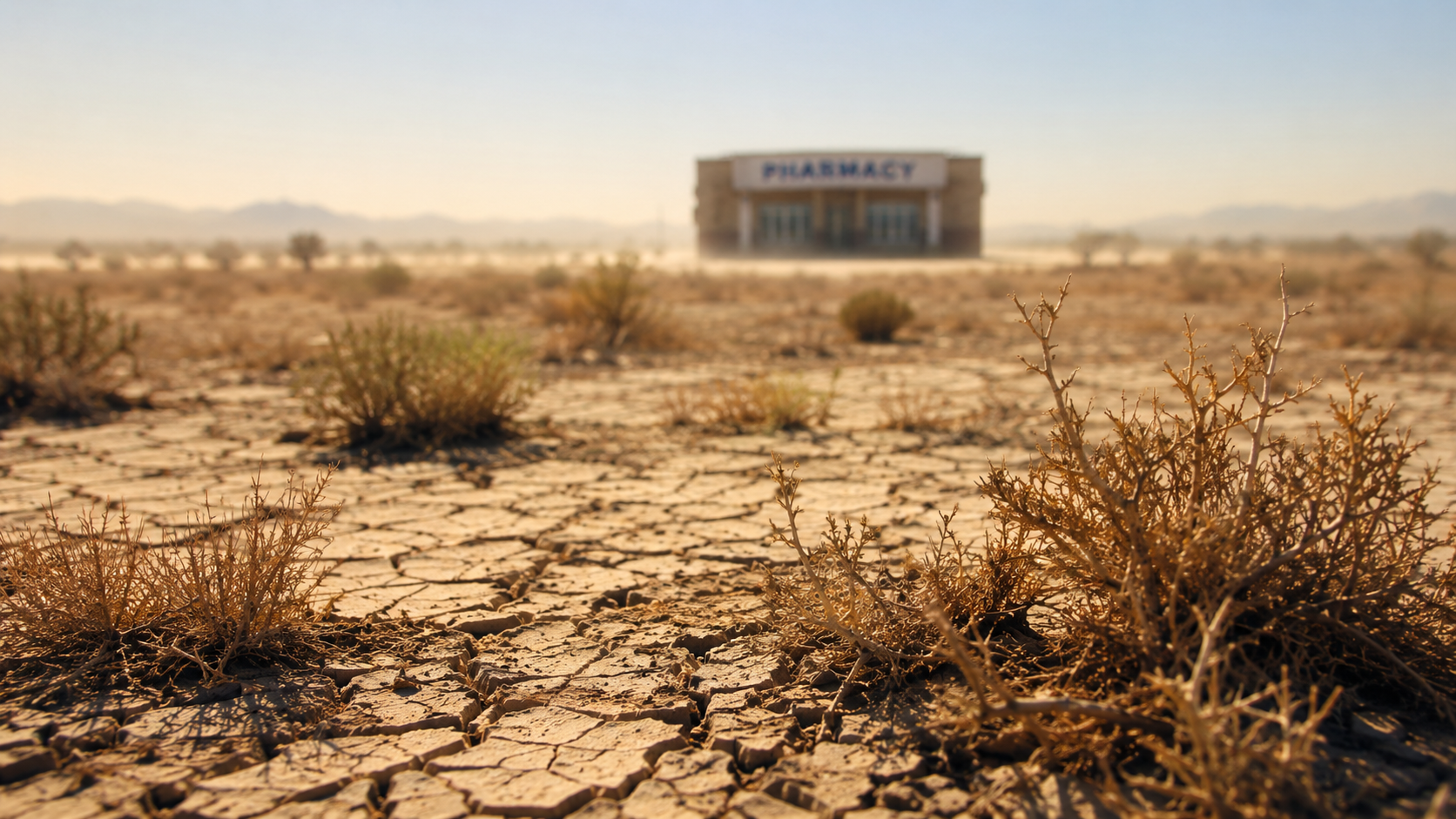
Now let's layer in the patients that specialty pharmacies exist to serve in the first place, many of whom are managing conditions that make travel difficult or medically inadvisable. Sometimes, "just come pick it up" isn't available as a fallback at all. Which is exactly why the fix has to live upstream, in packaging built to hold spec through the extreme and not downstream.
The data backs up how common this risk is.
A 2023 study published in the Journal of the American Pharmacists Association tracked temperature data during actual mail-order pharmaceutical shipments across the US and found that regardless of carrier, season, or shipping method, every package tested experienced excursions outside the recommended range at some point in transit. Boots ran the test that most cold chain systems never run on themselves, in the season that exposes it, and the result brought to attention to a risk that's been sitting inside mail-order pharmacies all along, in every season, everywhere it operates.
The patients on the other end of that delivery experience one thing: whether the medication that arrives is still the medication that was shipped. Whether it's a GLP-1 in London during a heatwave or a specialty biologic somewhere in the US during a snowstorm. The standard patients deserve, doesn't stop at a border, and it can't wait for the extreme weather to arrive before anyone checks whether the packaging is ready for it.
-------------------------------------------------------------------------------------------------------
If you're a specialty pharmacy and want to test your cold chain packaging,
let us help get you ready for both the expected and unexpected seasons.
-------------------------------------------------------------------------------------------------------
References
Walsh, A. "Boots pauses 'temperature sensitive' GLP-1 jab home deliveries amid heatwave." Pharmacy Magazine, August 13, 2026. https://www.pharmacymagazine.co.uk/news/boots-pauses-temperature-sensitive-glp-1-jab-home-deliveries-amid-heatwave
Wittenauer, R., et al. "Locations and Characteristics of Pharmacy Deserts in the United States: A Geospatial Study." Health Affairs Scholar, March 2024. As cited in: "Home delivery of prescriptions improves access and produces savings," Optum, 2025. https://www.optum.com/en/newsroom/pharmacy-medications/home-delivery-prescription-drugs-improves-access-produces-savings.html
"Evaluation of temperature excursions from USP <659> recommendations during mail transit." Journal of the American Pharmacists Association, February 2023. https://www.japha.org/article/S1544-3191(23)00018-3/fulltext


Efficient Solutions, Exceptional Results.